
Disclaimer: The views and opinions expressed in this article are those of the author and do not necessarily reflect the views or positions of BuiltWorlds.
Contractors face many headwinds in pursuit of opportunity, from economic volatility, supply chain challenges, and evolving customer and workforce expectations. Succeeding in this constantly shifting and unpredictable landscape requires contractors to optimize every input across the business while identifying the right tools and technologies to support and augment talent.
AI-enabled solutions that accurately capture information, streamline insights, and make it digestible and sharable are quickly becoming an option for contractors to address uncertainties in the industry. Jobsite intelligence technology, in particular, is a cost-effective solution that transforms visual data from onsite cameras into actionable insights, with the aim of helping contractors improve safety, security and project outcomes.
The added speed and scale that AI promises when analyzing imagery and video may be the key to unlocking jobsite intelligence for contractors. In fact, analysts are already recommending that construction executives prioritize automation and workforce upskilling as the answer to competitiveness.
Real-Time Site Visibility for Optimized Scheduling and Productivity
Poor-quality data continues to hinder the performance and reliability of AI solutions. In the case of jobsite intelligence, that is mitigated by reality capture. Visual data comes directly from a live source of truth: jobsite cameras. But while nearly every jobsite uses cameras to support a range of image and video capture functions, the amount of data collected—often terabytes or more—is too much for one person to efficiently draw insights from.
Jobsite intelligence provides the ability to analyze that data and deliver digestible information via automated and actionable summaries directly to mobile devices. It allows contractors and project managers to share updates with leadership and clients at the click of a button. This promises a reduction in administrative burden and enhanced communication, and empowers data-driven decisions with clear priorities. The idea is that superintendents can use these insights to prioritize more effectively and better plan attainable goals for the hours and days ahead.
Utilizing a Proactive Approach to Safety and Security
The construction industry is a dangerous profession, experiencing the most fatalities of all industry sectors. It’s also an industry prone to security risks—an estimated $400 million to $1 billion in losses accumulate each year due to construction site theft. Tools, heavy equipment, and building materials make up more than 60% of that theft.
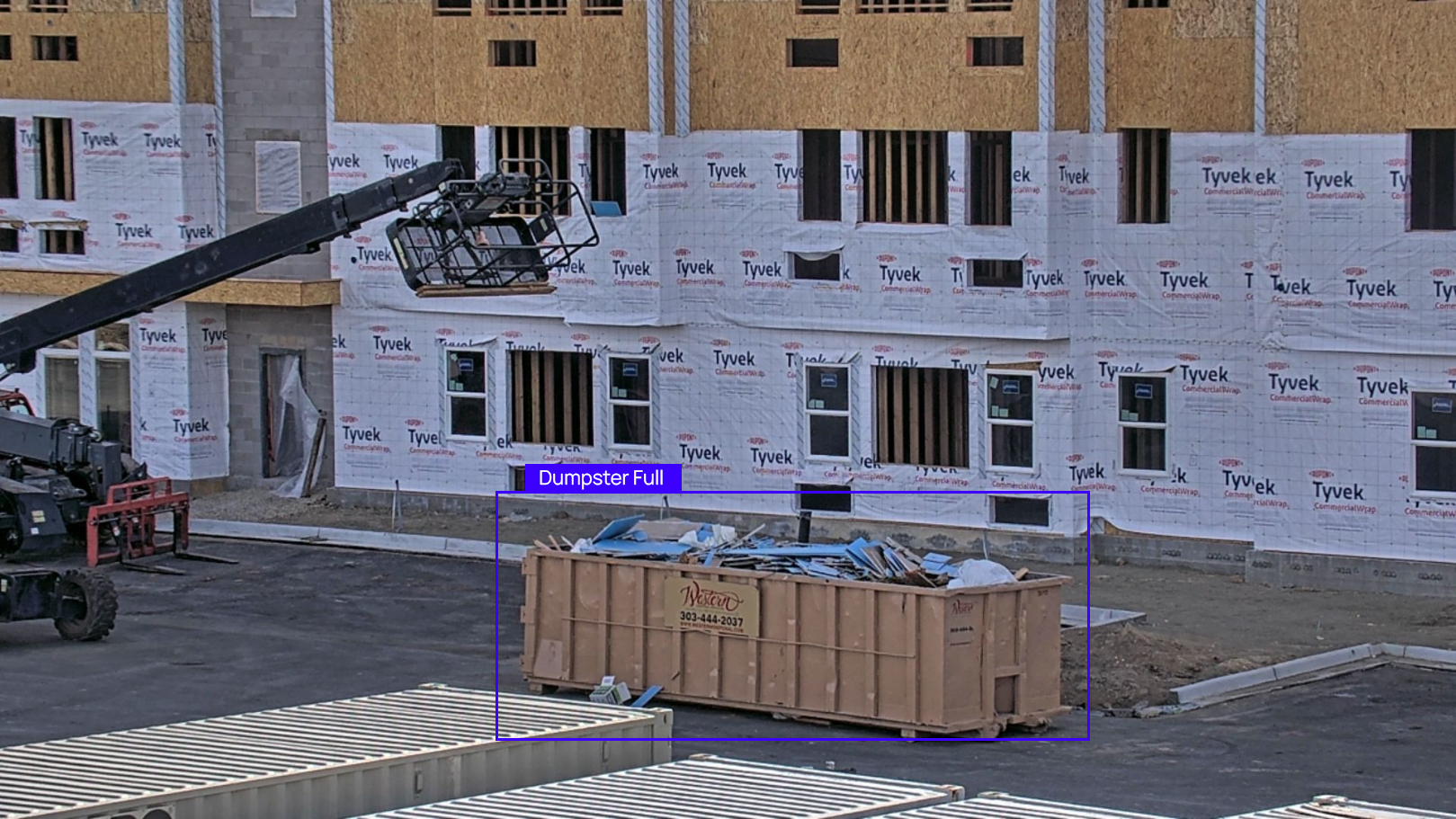
Superintendents and project managers can’t have eyes everywhere. Jobsite intelligence helps give them the visibility they need, detecting risks so they can respond quickly to potential hazards and external site threats. Software uses trained models to tag and organize construction activities such as PPE compliance, material storage, and vehicle movement. These purpose-built tools directly address the most critical activities for contractors. By automating the identification of critical events, AI aims to help workers focus on higher-value tasks.
These systems work to organize and increase the searchability of information, which may prove valuable in the event a contractor moves to improve safety protocols or monitor the security of site equipment and materials. As libraries of identifiable conditions expand, contractors may see improvement in their ability to access high-impact insights and pinpoint issues requiring immediate attention.
Evolve Construction Methods and Workflows With Confidence
Reports suggest that a shift towards modular practices and embracing new methods supports efficiency, sustainability, and cost-savings. It’s not unreasonable to think contractors will leverage this opportunity.
AI-enabled jobsite intelligence assists by giving contractors a real-time look into what enters and exits the jobsite and a smarter way to validate and verify builds. This offers potential time savings in contrast to having to chase information, make numerous phone calls, or rely on manual reporting.
When collaborating within an organization or with third parties, information silos impede progress. Specifically, 52% of all rework in the construction industry is said to be caused by poor data and miscommunication. Buried in paper documentation, disjointed schedules, and underutilized video is a lost opportunity to transform how contractors collaborate. There is a real potential to close this gap by using AI-powered software to automatically gather insights and make that information sharable.
The Future of AI-Powered Jobsite Intelligence
The projected need for nearly half a million new construction workers in 2027 to meet demand is likely a key driver behind the growing traction of these actionable, intelligent tools.
Targeted investments in technology function as both recruiting and retention levers. For successful adoption, AI tools must have a clear and practical connection to employees’ core work. Partnering with trusted advisors who combine purpose-built technology with deep jobsite expertise is one way that businesses can explore and possibly implement these tools with confidence.

Discussion
Be the first to leave a comment.
You must be a member of the BuiltWorlds community to join the discussion.