

The BuiltWorlds Infrastructure Conference in Arlington, Va. brought together public and private sector leaders—from Amtrak, WSP, WMATA, and Bechtel to Mortenson, Trimble, and Fluence—to explore how innovation, investment, and collaboration are driving the next generation of infrastructure.
Here are six key insights that defined this year’s discussions and breakout sessions:
Resilience Requires Integration—of Capital, Strategy, and Community Engagement
Across major infrastructure sectors, resilience is no longer just about engineering—it’s about governance, communication, and social impact. Amtrak’s $55 million Community Investment Program set a new standard for inclusive development, while other agencies emphasized transparent coordination with utilities, municipalities, and residents to reduce risk and build lasting public trust.
Digital Transformation Is Accelerating—Powered by AI and Process Alignment
Artificial intelligence emerged as a unifying theme across sessions. From predictive scheduling to automated documentation and digital twins, AI is streamlining complex project delivery and driving measurable efficiency gains. Yet, speakers stressed that success requires standardized data, common platforms, and cultural alignment—not just new tools.
Asset Handover and Lifecycle Thinking Are the Next Frontiers of Efficiency
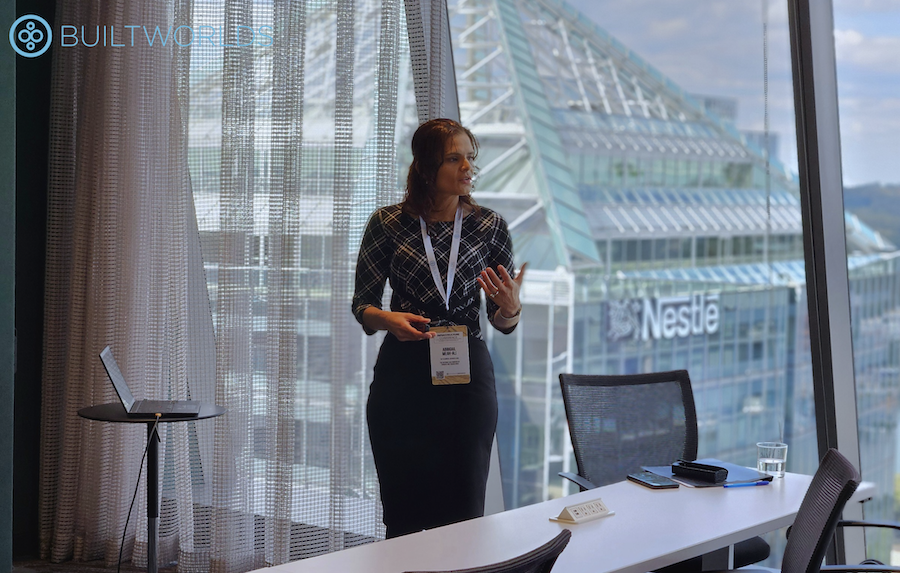
Breakout discussions revealed that poor asset handover remains a hidden cost driver. Fragmented documentation, unclear acceptance criteria, and late O&M engagement lead to costly rework. Organizations that champion a single source of truth, measurable turnover standards, and lean principles can ensure smoother transitions, fewer claims, and stronger long-term performance.
Workforce Models Must Evolve for Flexibility and Attraction
The labor challenge continues to shape every conversation. Field leaders described new approaches that treat crews as independent business units, providing flexible schedules, focused workweeks, and clearer pathways from on-the-job training to certification and public-sector advancement. The takeaway: communication, transparency, and shared language across sectors are critical to retaining top talent.
Funding, Regulation, and Partnership Models Are Being Reimagined
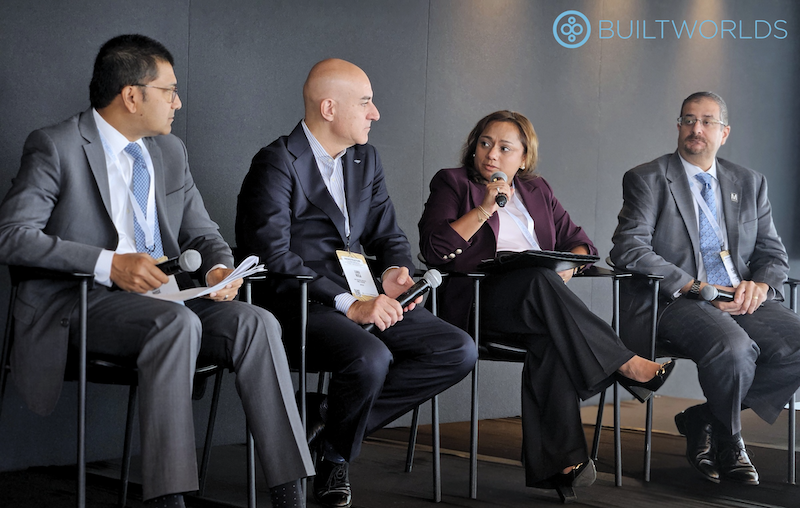
Emerging progressive and hybrid P3 models are reshaping how infrastructure is financed and delivered. These outcome-based partnerships—when combined with AI and digital management systems—are helping public agencies de-risk projects, accelerate timelines, and attract private capital. However, panelists agreed that policy modernization and better incentive alignment are still essential for scalability.
Longevity, Sustainability, and Grid Readiness Define the New Infrastructure Era
From climate-resilient materials to modular data center builds and adaptive energy grids, the industry is prioritizing systems designed to last the next century and beyond. Advances like stainless-clad rebar and digital sensing technologies promise both carbon reduction and lifecycle cost savings, while everyone grapples with surging data center power and energy demands, staffing, and infrastructure to support building campuses all expected to quadruple their requirements by 2035.
This year’s Infrastructure Conference revealed an industry at an inflection point—transitioning from siloed, analog operations to digitally connected, AI-enabled, and community-centered systems. The future of infrastructure depends on more than technology; it requires rethinking how we fund, regulate, build, and empower the workforce and industry to deliver lasting, resilient value for generations to come.
Discussion
Be the first to leave a comment.
You must be a member of the BuiltWorlds community to join the discussion.